



European chemical industry warns of competitiveness risks despite US trade deal
by ChemOrbis Editorial Team - content@chemorbis.com
The European chemical industry has expressed mixed reactions to the newly announced EU-US deal on tariffs and trade, warning that the agreement could still weigh on competitiveness despite averting a full-scale trade conflict.
The European Chemical Industry Council (Cefic) stated that it takes note of the agreement but emphasized that additional US tariffs on European exports could threaten to erode the sector’s global position. “While the deal appears to have averted the worst-case scenario, the additional US tariffs on European exports risk further eroding the competitiveness of the EU chemical industry,” Cefic said, urging swift implementation of the recently published Chemical Industry Action Plan.
Germany’s chemical association VCI also welcomed the de-escalation but emphasized that the agreed tariffs remain “too high.” Executive Director Wolfgang Große Entrup likened the outcome to “being grateful for a storm when expecting a hurricane,” noting that further escalation was avoided but at a significant cost. He called on the German government to act “more consistently” to offset the added burden for exporters.
Both associations highlighted the need for further negotiations to reduce chemical tariffs and secure more predictable trade conditions. Cefic described the inclusion of some chemicals in a potential “zero-for-zero tariff” arrangement as an encouraging step, while VCI urged that lower tariffs would help enable the reindustrialization and transformation of industries on both sides of the Atlantic.
More free plastics news
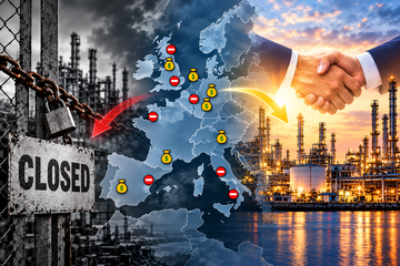
Plastic resin (PP, LDPE, LLDPE ,HDPE, PVC, GPS; HIPS, PET, ABS) prices, polymer market trends, and more...- Europe’s petchem plants close, assets change hands: How far has restructuring progressed?
- Suez recovery gains ground, but global shipping remains far from normal
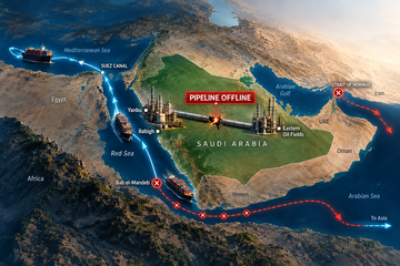
- Saudi pipeline outage compounds supply and logistics risks, fueling PP, PE rally
- S Korea’s petchem restructuring moves from talks to closures
- European natural gas, Asian LNG hit fresh highs amid Middle East tensions
- Global shipping faces persistent bottlenecks across major trade routes
- War or recovery? H1 earnings reshuffle petchem winners and losers
- Oil roller coaster in July H2 fails to derail most polymer rallies
- Dow’s €1.1 billion claim puts Europe’s ethylene cartel dispute back in focus
- Crude oil surges on renewed war premium; will it reverse the polymer slump?
