



Oil climbs by 5% following escalation in Middle East conflicts
by ChemOrbis Editorial Team - content@chemorbis.com
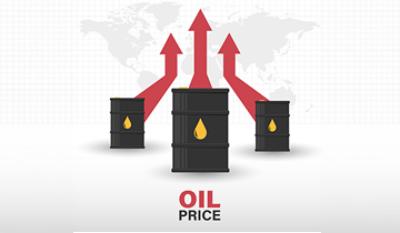
Oil prices climbed by 5% on Thursday as tensions in the Middle East heightened, raising concerns about possible supply disruptions. On Thursday, Joe Biden stated that the U.S. is in talks with Israel about the potential for Israeli strikes on Iran’s oil facilities. Brent crude futures increased by $3.72 to settle at $77.62/barrel, while WTI crude futures rose by $3.61 to $73.71/barrel. Both benchmarks reached one-month highs.
According to analysts at Citi Group, if Israel were to launch a major strike on Iran’s export capabilities, it could result in a loss of 1.5 million barrels/day from the oil market. Oil prices have surged by 8% this week, the most since early 2023, amid fears of Middle East supply disruptions. Iran recently launched missiles at Israel, escalating tensions following Israeli military actions against Hezbollah in Lebanon.
In Libya, the National Oil Corporation (NOC) announced the lifting of force majeure at all oilfields and terminals on Thursday, potentially ending a crisis that had curtailed oil production.
Global benchmarks traded slightly higher during Friday’s intra-day sessions as the markets reflected on the possibility that escalating tensions in the Middle East could impact crude supply. Brent crude was up by 68 cents, trading at $78.30/barrel, while WTI NYMEX was 63 cents higher at $74.34/barrel at the time of writing.
More free plastics news
Plastic resin (PP, LDPE, LLDPE ,HDPE, PVC, GPS; HIPS, PET, ABS) prices, polymer market trends, and more...- Europe’s petchem plants close, assets change hands: How far has restructuring progressed?
- Suez recovery gains ground, but global shipping remains far from normal
- Saudi pipeline outage compounds supply and logistics risks, fueling PP, PE rally
- S Korea’s petchem restructuring moves from talks to closures
- European natural gas, Asian LNG hit fresh highs amid Middle East tensions
- Global shipping faces persistent bottlenecks across major trade routes
- War or recovery? H1 earnings reshuffle petchem winners and losers
- Oil roller coaster in July H2 fails to derail most polymer rallies
- Dow’s €1.1 billion claim puts Europe’s ethylene cartel dispute back in focus
- Crude oil surges on renewed war premium; will it reverse the polymer slump?