



PP and PE hikes in Türkiye begin to face resistance amid crude oil slump
by Merve Madakbaşı - mmadakbasi@chemorbis.com

Türkiye’s import polyolefin markets have seen notable price increases since mid-July, as brisk sales largely eased sellers’ inventory pressure following weeks of free fall. Although last week’s geopolitical uncertainties and subsequent oil price volatility did little to disrupt the upward trend, this week’s renewed retreat in crude oil has cast a shadow over further hike attempts, with buyer resistance beginning to build against higher offer levels.
Despite fresh August and September shipment offers with additional increases, buyers have grown more cautious, as downstream orders did not revive and have yet to justify the latest gains. In terms of resin demand, multiple sellers observed a clear divergence, with limited interest in distant PP and PE cargoes contrasting with steady demand for prompt and near-term material.
Oil volatility tempers bullish sentiment
Oil prices signaled stabilization at recent lows late this week following steep losses earlier, with investors assessing renewed hopes for a de-escalation in US-Iran tensions that could ease concerns over oil supplies from the Middle East. This followed Tuesday’s more than 5% plunge, pushing Brent below $80/bbl for the first time since July 13.
Although global crude oil benchmarks have lost 10-12% over the past two weeks, they have remained 8-9% above the lows recorded in mid-June. Even so, the sharp retreat in oil prices since late July has left Turkish market players unsettled and inevitably cast a shadow over the PP and PE price hikes seen over the past two weeks, which had been driven primarily by tightening supply.
A volatile upstream chain also raised questions about the sustainability of the recent polyolefin price hikes in Asia, as part of the late-July increases in Türkiye were partly driven by weak netbacks relative to alternative export destinations.
PP sellers hold firm, but admit momentum has faded
Although the sharp reversal in crude oil prices tempered sellers’ confidence this week, limited import PP availability continued to support current price levels. Players commented, “CPT-based Saudi Arabian PPH offers from some traders have recently created a two-tier market. While some sellers tested raffia prices as high as $1150/ton CIF, nearby truck-delivered cargoes remained available below $1100/ton CPT until very recently.” Likewise, Saudi PP fibre offers ranged from $1150/ton to $1200/ton CIF.
A distributor commented, "Compared to the past two weeks, the market seems to be losing momentum and searching for direction. In the homo PP market, a wide gap has emerged between prices for floating cargoes and fresh shipment offers. Some traders’ pricing of some cargoes subject to revision based on prevailing market levels upon arrival has further blurred the pricing picture. Even so, demand for prompt material was healthy. This week, we received particularly strong interest for PP non-woven grades.”
PE sellers seek new hikes, buyers push back
For PE, despite prolonged uncertainty surrounding the outcome of Europe’s August ethylene contract negotiations, which were finally settled by mid-week, regular import suppliers proceeded with their monthly offer announcements. As expected, the latest notifications from the Middle East and Europe reflected price increases, defying the impact of European summer holidays and the ongoing monsoon season in India on global markets.
Nonetheless, the initial hike attempts met resistance from Turkish converters, who have remained reluctant to commit to distant cargoes unless offered at competitive levels, given the increasingly uncertain medium-term outlook. A source from a Middle Eastern supplier confirmed, “We lifted our prices by around $100/ton from last month amid a lack of stock pressure and higher costs compared to a month ago. Thus, transactions have been quite limited so far.”
Meanwhile, US PE offers, which had been rising over the previous two weeks, began to lose momentum in response to lower bids and growing caution over September shipments. After sellers tested LLDPE C4 film prices at up to $1150/ton CIF Türkiye, offers retreated somewhat as softer buying interest compared to late July forced traders to scale back their initial hike targets. According to market talk, prices well below $1100/ton CIF re-emerged in some cases, but this was not widely confirmed at the time of writing.
Local premium seen persisting on tight prompt supply
It has become increasingly evident that import PP and PE offers testing certain price thresholds are meeting growing resistance from buyers. September- and October-loading cargoes, in particular, are considered risky, as their estimated arrival in Türkiye could coincide with the year-end, making buyers reluctant to commit to distant shipments.
Meanwhile, persistent uncertainty over demand and the course of the conflict is prompting traders to remain cautious, preferring back-to-back trading over stock replenishment. This mindset is also keeping prompt availability relatively tight. In short, although higher import offers have discouraged buying interest, the premium enjoyed by the locally held market may prove inevitable as long as prompt supply remains limited.
More free plastics news
Plastic resin (PP, LDPE, LLDPE ,HDPE, PVC, GPS; HIPS, PET, ABS) prices, polymer market trends, and more...- Europe’s petchem plants close, assets change hands: How far has restructuring progressed?
- Suez recovery gains ground, but global shipping remains far from normal
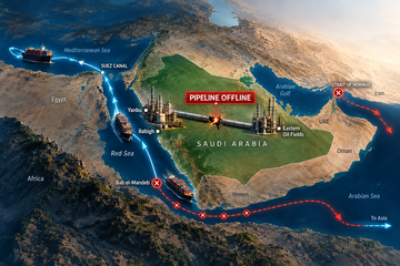
- Saudi pipeline outage compounds supply and logistics risks, fueling PP, PE rally
- S Korea’s petchem restructuring moves from talks to closures
- European natural gas, Asian LNG hit fresh highs amid Middle East tensions
- Global shipping faces persistent bottlenecks across major trade routes
- War or recovery? H1 earnings reshuffle petchem winners and losers
- Oil roller coaster in July H2 fails to derail most polymer rallies
- Dow’s €1.1 billion claim puts Europe’s ethylene cartel dispute back in focus
- Crude oil surges on renewed war premium; will it reverse the polymer slump?