







PP sellers resist price cuts in SE Asia, but competitive locals, weak demand weigh
by Merve Sezgün - msezgun@chemorbis.com
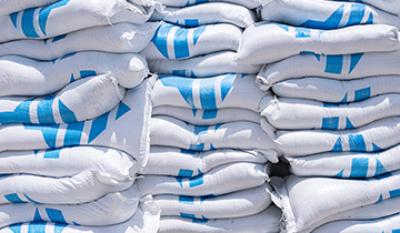
PP prices across Southeast Asia hovered largely at previous levels this week, but signs of renewed downward pressure are surfacing amid weak demand and increasingly competitive local offers. While many sellers tried to maintain current levels, sporadic price cuts and muted market activity suggest a fragile balance in the face of growing supply length and lackluster consumption.
In Indonesia, a major local producer slashed domestic PP prices on Monday, with cuts ranging between IDR140,000-490,000/ton ($9-30/ton) across various grades, marking a reversal from their earlier rollover stance. The steepest cuts were seen in PP raffia and random copolymer injection, suggesting sellers are responding to underwhelming demand.
An Indonesian converter said, “The producer’s prices were higher than some traders’. That created pressure. Local prices are now more competitive, so buyers aren’t really considering imports.”
Import prices steady to slightly softer
Import offers mostly held steady week-on-week, but market players reported pockets of softening, particularly for Chinese-origin materials. A Vietnamese trader revealed an offer for homo-PP raffia at $880/ton CIF, marking a $10/ton drop from the previous low of $890/ton that had held firm for several weeks. Other Chinese raffia offers stayed in the low-$900s/ton CIF SEA, keeping downward pressure on regional and non-Chinese origins.
A Taiwanese producer source confirmed their offers to Vietnam were unchanged, noting limited July orders. “Buyers remain cautious due to ongoing US tariff uncertainties. We don’t expect much price movement in the near term,” the source said.
A Vietnamese converter added, “The market isn’t good. We prefer to buy locally and only as needed. We expect prices to remain flat to soft.”
Local prices hold in Vietnam, Thailand, but momentum weakens
In Vietnam and Thailand, local prices were largely unchanged, but players said this stability was driven more by seller resistance than actual market strength. A Thai converter noted that demand weakened further following recent tensions with Cambodia, adding that local producers were struggling with sales and ramping up export attempts.
“Exports aren’t much better than the local market. We’re keeping inventories low, and we think August prices may still drop further,” he said.
In Malaysia, a domestic producer reduced August PP offers by MYR80/ton ($19/ton), reflecting cautious sentiment despite a relatively stable pricing environment in recent weeks.
Buyers stay on sidelines, expect no major price movement
Across the region, most buyers continued to adopt a wait-and-see approach, keeping inventories lean and purchases minimal. A Philippine trader noted that spot raffia prices were stable, but expected trading to remain within a narrow range given lackluster consumption.
Another Vietnamese trader said, “Demand is so-so. Maybe we’ll see prices increase in September, but later in Q4 they may drop again for year-end promotions.”
More free plastics news
Plastic resin (PP, LDPE, LLDPE ,HDPE, PVC, GPS; HIPS, PET, ABS) prices, polymer market trends, and more...- Suez recovery gains ground, but global shipping remains far from normal
- Saudi pipeline outage compounds supply and logistics risks, fueling PP, PE rally
- S Korea’s petchem restructuring moves from talks to closures
- European natural gas, Asian LNG hit fresh highs amid Middle East tensions
- Global shipping faces persistent bottlenecks across major trade routes
- War or recovery? H1 earnings reshuffle petchem winners and losers
- Oil roller coaster in July H2 fails to derail most polymer rallies
- Dow’s €1.1 billion claim puts Europe’s ethylene cartel dispute back in focus
- Crude oil surges on renewed war premium; will it reverse the polymer slump?
- EU publishes tariff regulation, swings doors wide open to duty-free US plastics
