



Will import PP and PE sellers achieve their new hike targets for March in Türkiye?
by Merve Madakbaşı - mmadakbasi@chemorbis.com

Türkiye’s import polyolefin markets have been rising gradually since late December 2024, mainly due to reduced volumes from the Middle East, the US, and Russia. Although cost support has weakened amid softening shipping costs and falling crude oil futures, restricted import availability has paved the way for renewed hike requests from regular suppliers for March. Nonetheless, mounting resistance from converters amid the Ramadan lull may force sellers to concede to rollovers, with negotiations underway.
Among the key factors causing bullish expectations to falter for the new month was the outcome of March olefin contracts in neighboring Europe. Propylene settled with a modest month-over-month gain, while ethylene inched up slightly. Following larger increases slightly above €50/ton for February, both were interpreted as almost rollovers by Turkish PP and PE buyers.
PP prices on high ends face resistance since H2 Feb
Indeed, several homo-PP suppliers began revealing their March shipment offers by mid-February after quickly selling out their modest allocations. Planned shutdowns in Saudi Arabia earlier in Q1, combined with active purchases driven by supply concerns, allowed sellers to lift their offers to a certain extent. By late February, sell ideas reached as high as $1090-1100/ton for raffia and $1130-1140/ton for fibre, all CIF Türkiye, subject to 6.5% customs duty, cash.
Meanwhile, an increasing number of converters moved to the sidelines after covering their needs, as derivative orders failed to keep pace with soaring resin markets. Adding to the scene was the start of Ramadan, during which activity typically slows in Türkiye and many Muslim countries. Prices at or close to the high end of the market range failed to turn into deals. Buy ideas stood at around $1060/ton and $1100/ton, respectively, putting a strain on sellers despite their lack of stock pressure.
This week, sources from certain Saudi Arabian producers admitted facing buyer resistance after seeking monthly hikes for PP raffia and fibre. “Although negotiations continue, customers do not seem interested in our new levels, citing the local prompt market’s competitive edge due to older-cost materials,” they said.
Middle Eastern PE sellers test hikes, buyers chase rollovers
Unlike PP, March offers had yet to take shape in the import PE market. A Middle Eastern producer revealed rollovers for LLDPE and HDPE late last week, said buyers. While most regional producers were still setting their fresh prices at the time of writing, a few attempted hikes of around $30/ton as compared to the previous month this week. ’We expect weakening demand and talks about US offers well below $1000/ton CIF to lead to stable deals for Middle Eastern LLDPE. As for HDPE, a significant premium over Asia may hinder any hike targets for this product,’ a manufacturer noted.
In the meantime, several players reported that some Middle Eastern producers are preparing to seek prices above the $1200/ton CIF threshold, citing tight import supply. “The domestic producer, Petkim, raised its LDPE prices this week, although the March ethylene contract barely increased in Europe. Strong export demand from the region might have encouraged the company,” a player said.
Medium-term outlook mixed amid seasonal hopes and cargo arrivals
In a scenario where the Ramadan lull persists, transactions for most polyolefin grades are expected to take place at levels close to those recorded in February. This is because there is no significant easing in supply from the Middle East for now. On the other hand, the recent sharp decline in oil prices and its downward impact on spot naphtha offers are raising concerns among sellers about a potential reduction in cost support. Adding to the scene will be the possible arrival of delayed cargos in early Q4. Some buyers think prices may see slight downward corrections if costs come down and supply eases.
The key question at this stage is whether the approaching high season for certain downstream products will provide support for the PP and PE markets. April and May are typically considered a busy period for the sack industry. Indeed, a converter commented, “PP raffia and non-woven activities may pick up next month.” However, the outlook for PP fibre remains less promising, as the high season for carpets is still some time away, and several carpet and yarn manufacturers in Gaziantep—the heart of the sector—are reportedly operating at around 50% capacity. As for PE, possibly warmer weather conditions may bolster end consumption toward summer, which is deemed a typical season for packaging.
At the end of February, a regulation published in the Official Gazette revised the implementation principles of the foreign currency payment ban that has been in place since April 2022. According to the new regulation, the obligation to make all payments in Turkish lira (TRY) has been lifted. The latest development, which is expected to buoy polyolefin trade, along with the Central Bank’s ongoing interest rate cut cycle, is considered to be a promising signal for the markets in the medium term.
Among the key factors causing bullish expectations to falter for the new month was the outcome of March olefin contracts in neighboring Europe. Propylene settled with a modest month-over-month gain, while ethylene inched up slightly. Following larger increases slightly above €50/ton for February, both were interpreted as almost rollovers by Turkish PP and PE buyers.
PP prices on high ends face resistance since H2 Feb
Indeed, several homo-PP suppliers began revealing their March shipment offers by mid-February after quickly selling out their modest allocations. Planned shutdowns in Saudi Arabia earlier in Q1, combined with active purchases driven by supply concerns, allowed sellers to lift their offers to a certain extent. By late February, sell ideas reached as high as $1090-1100/ton for raffia and $1130-1140/ton for fibre, all CIF Türkiye, subject to 6.5% customs duty, cash.
Meanwhile, an increasing number of converters moved to the sidelines after covering their needs, as derivative orders failed to keep pace with soaring resin markets. Adding to the scene was the start of Ramadan, during which activity typically slows in Türkiye and many Muslim countries. Prices at or close to the high end of the market range failed to turn into deals. Buy ideas stood at around $1060/ton and $1100/ton, respectively, putting a strain on sellers despite their lack of stock pressure.
This week, sources from certain Saudi Arabian producers admitted facing buyer resistance after seeking monthly hikes for PP raffia and fibre. “Although negotiations continue, customers do not seem interested in our new levels, citing the local prompt market’s competitive edge due to older-cost materials,” they said.
Middle Eastern PE sellers test hikes, buyers chase rollovers
Unlike PP, March offers had yet to take shape in the import PE market. A Middle Eastern producer revealed rollovers for LLDPE and HDPE late last week, said buyers. While most regional producers were still setting their fresh prices at the time of writing, a few attempted hikes of around $30/ton as compared to the previous month this week. ’We expect weakening demand and talks about US offers well below $1000/ton CIF to lead to stable deals for Middle Eastern LLDPE. As for HDPE, a significant premium over Asia may hinder any hike targets for this product,’ a manufacturer noted.
In the meantime, several players reported that some Middle Eastern producers are preparing to seek prices above the $1200/ton CIF threshold, citing tight import supply. “The domestic producer, Petkim, raised its LDPE prices this week, although the March ethylene contract barely increased in Europe. Strong export demand from the region might have encouraged the company,” a player said.
Medium-term outlook mixed amid seasonal hopes and cargo arrivals
In a scenario where the Ramadan lull persists, transactions for most polyolefin grades are expected to take place at levels close to those recorded in February. This is because there is no significant easing in supply from the Middle East for now. On the other hand, the recent sharp decline in oil prices and its downward impact on spot naphtha offers are raising concerns among sellers about a potential reduction in cost support. Adding to the scene will be the possible arrival of delayed cargos in early Q4. Some buyers think prices may see slight downward corrections if costs come down and supply eases.
The key question at this stage is whether the approaching high season for certain downstream products will provide support for the PP and PE markets. April and May are typically considered a busy period for the sack industry. Indeed, a converter commented, “PP raffia and non-woven activities may pick up next month.” However, the outlook for PP fibre remains less promising, as the high season for carpets is still some time away, and several carpet and yarn manufacturers in Gaziantep—the heart of the sector—are reportedly operating at around 50% capacity. As for PE, possibly warmer weather conditions may bolster end consumption toward summer, which is deemed a typical season for packaging.
Players also noted that the trade uncertainty caused by decisions from US President Trump, and recent developments in the Ukraine-Russia war are causing serious concerns for finished goods exporters in Türkiye who trade with the US and Europe.
At the end of February, a regulation published in the Official Gazette revised the implementation principles of the foreign currency payment ban that has been in place since April 2022. According to the new regulation, the obligation to make all payments in Turkish lira (TRY) has been lifted. The latest development, which is expected to buoy polyolefin trade, along with the Central Bank’s ongoing interest rate cut cycle, is considered to be a promising signal for the markets in the medium term.
More free plastics news
Plastic resin (PP, LDPE, LLDPE ,HDPE, PVC, GPS; HIPS, PET, ABS) prices, polymer market trends, and more...- Europe’s petchem plants close, assets change hands: How far has restructuring progressed?
- Suez recovery gains ground, but global shipping remains far from normal
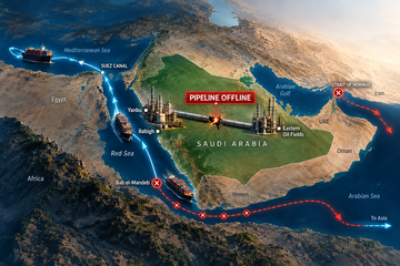
- Saudi pipeline outage compounds supply and logistics risks, fueling PP, PE rally
- S Korea’s petchem restructuring moves from talks to closures
- European natural gas, Asian LNG hit fresh highs amid Middle East tensions
- Global shipping faces persistent bottlenecks across major trade routes
- War or recovery? H1 earnings reshuffle petchem winners and losers
- Oil roller coaster in July H2 fails to derail most polymer rallies
- Dow’s €1.1 billion claim puts Europe’s ethylene cartel dispute back in focus
- Crude oil surges on renewed war premium; will it reverse the polymer slump?